
Understanding Psychological Triggers
Casinos are designed to evoke specific emotional responses from players, harnessing psychological triggers to keep them engaged. For instance, colorful lights, sounds of winning, and visually appealing layouts create an atmosphere that elicits excitement and anticipation. This sensory stimulation plays a crucial role in encouraging players to stay longer, as their brains release dopamine, the “feel-good” hormone, every time they experience a small win or a fun moment, making it a great place for the best online casino experience. The environment is deliberately curated to foster a sense of euphoria that can lead to prolonged gameplay.
Moreover, casinos leverage the concept of loss aversion, a psychological principle suggesting that people prefer to avoid losses rather than acquiring equivalent gains. In gambling, when players experience losses, the design of the casino encourages them to continue playing in hopes of recovering their losses. This strategy creates an emotional roller coaster that keeps players hoping for a big win, often leading them to spend more time and money at the tables or machines, even when the odds are against them.
Additionally, the layout of the casino is strategically planned to maximize engagement. Players are often funneled through areas with high traffic, such as near popular games, to enhance their chances of interacting with others and generating a sense of community. This communal aspect of gambling appeals to social psychology, as it reinforces feelings of belonging and camaraderie, further enhancing the desire to stay and play.
The Role of Rewards and Feedback
Rewards are central to how casinos utilize psychology to keep players engaged. The use of reward systems, such as loyalty programs, provides players with tangible incentives to return, reinforcing their bond with the casino. Players earn points for every game played, which can later be redeemed for various perks, such as free meals, hotel stays, or exclusive events. This creates a sense of commitment and attachment to the casino, as players feel appreciated and valued for their loyalty.
Moreover, instant gratification is a powerful motivator in keeping players engaged. Slot machines, in particular, are programmed to provide frequent small wins, giving players the rush of victory without the need for significant risk. This feedback loop keeps players hooked, as they continually chase that elusive big win, often overlooking the overall odds. The combination of immediate rewards and delayed gratification creates a compelling dynamic that encourages extended playtime.
Furthermore, the design of game interfaces includes elements such as sound effects and visual cues that signal wins, no matter how small. These features are strategically implemented to maintain player engagement and to create a continuous cycle of reward and anticipation. For example, the sound of coins clattering and celebratory animations are designed to amplify the excitement of winning, reinforcing the player’s desire to keep playing and experiencing that thrill again.
Social Influence in Gambling
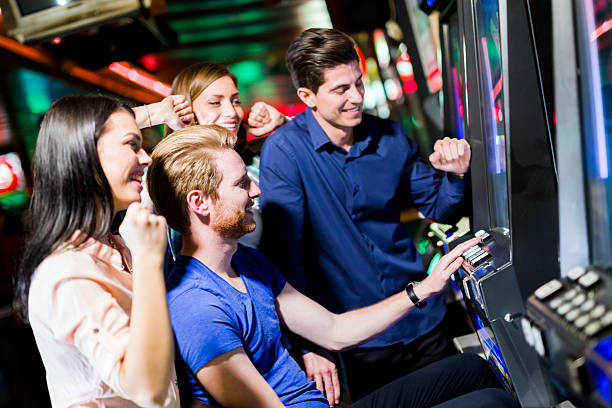
Social dynamics play a crucial role in the psychological engagement of players in casinos. Group activities, such as poker games or communal gaming areas, encourage socialization among players, creating a shared experience that can enhance enjoyment. This aspect of gaming taps into the social proof phenomenon, wherein individuals are influenced by the actions and behaviors of those around them. Seeing others enjoying themselves or winning can trigger increased participation among onlookers, who may feel compelled to join in.
Casinos also capitalize on the influence of peer pressure, where players might continue to gamble not only to fit in but also to match the enthusiasm of their companions. This social aspect can lead to longer gaming sessions, as players desire to share thrilling experiences or simply enjoy each other’s company. Moreover, the atmosphere created by fellow players can augment excitement, making it difficult for individuals to resist engaging further, even if they initially intended to play for a short period.
The use of social media technologies and online platforms has further expanded the social influence in gambling. Many online casinos now incorporate social features, such as leaderboards and shareable achievements, to enhance competition and camaraderie among players. This integration of social elements can boost player retention, as individuals are motivated to improve their standings, thus fostering a community that thrives on engagement and interaction.
The Impact of Environment on Player Behavior
The physical environment of a casino significantly influences player behavior and engagement levels. The absence of clocks and windows, for instance, creates a timeless experience, encouraging players to lose track of time while gaming. This carefully constructed environment plays into the psychology of escapism, where individuals seek to detach from reality and immerse themselves in the thrill of gambling, often leading to extended sessions that can spiral into excessive gaming.
Moreover, the strategic placement of amenities such as bars, restaurants, and lounges creates an integrated experience that entices players to remain on the premises. Providing easy access to refreshments and relaxation areas removes the need for players to leave, thus prolonging their overall engagement. This type of design reflects the principles of environmental psychology, where the ambiance and layout are optimized to cater to players’ needs, making it convenient and tempting to continue playing.
Lighting plays an essential role in shaping the mood and atmosphere of a casino. Bright, colorful lights attract attention and generate excitement, while more subdued lighting in other areas allows for a calming effect when needed. This careful balance ensures that players remain stimulated yet comfortable, a combination that can lead to longer gambling sessions. The environment is intentionally crafted to enhance the overall experience, ensuring that players feel both invigorated and at ease.
Conclusion: Exploring Online Casino Engagement
As the digital landscape of gambling evolves, online casinos are increasingly adopting psychological strategies similar to their brick-and-mortar counterparts. The virtual gaming experience aims to replicate the stimulating atmosphere found in physical casinos, utilizing graphic design, sound effects, and gamified elements to engage players. The shift towards online platforms allows casinos to reach a broader audience while employing psychological techniques that keep players invested in the gameplay.
Online casinos often incorporate social features such as chat rooms or multiplayer games, enhancing the communal aspect of gambling even in a virtual setting. Through these interactive elements, they encourage players to share experiences and foster a sense of belonging, similar to what is found in traditional casinos. This blend of technology and psychological engagement not only attracts new players but also retains existing ones by creating a compelling virtual environment.
In conclusion, whether in a physical casino or through online platforms, understanding the psychological triggers and influences at play is essential for both players and operators. By leveraging these insights, casinos continuously adapt their strategies to create engaging experiences that captivate players, keeping them coming back for more thrills and excitement. The intertwining of psychology and gambling showcases the profound impact of human behavior on the gaming industry, shaping how people interact with games, one spin at a time.
Recent Comments